Update 26 September 2026: the National Energy Policy Committee has folded this 500 MW round into a new 10,000 MW People's Solar programme — same 2.20 baht/kWh, but a 20-year contract (instead of 10) and a 50,000-baht installation subsidy per household. Update 2 October 2026: systems of 5–10 kW on a roof, the ground or water (buy-back from 5 kW only), with registration expected from 1 November 2026. Details and a worked payback example: People's Solar — 50,000-baht subsidy.
The rooftop buy-back window is open again
After the earlier quota filled and enrolment was suspended, Thailand reopened residential solar buy-back on 1 July 2026 with a new 500 MW round offered through MEA and PEA on a first-come, first-served basis. Households can sell surplus solar to the grid at 2.20 THB per unit for 10 years, with installations capped at 5 kW per meter. When the round is fully subscribed, further capacity is expected to be added in subsequent rounds.
If you have been waiting to install rooftop solar, this reopening — combined with a tax incentive (below) — makes 2026 a practical moment to act.
Net billing, not net metering — why it matters
This is a net-billing scheme, and the distinction changes how you should design your system.
- Net metering (not the current model) would let one exported unit offset one consumed unit at the same retail price.
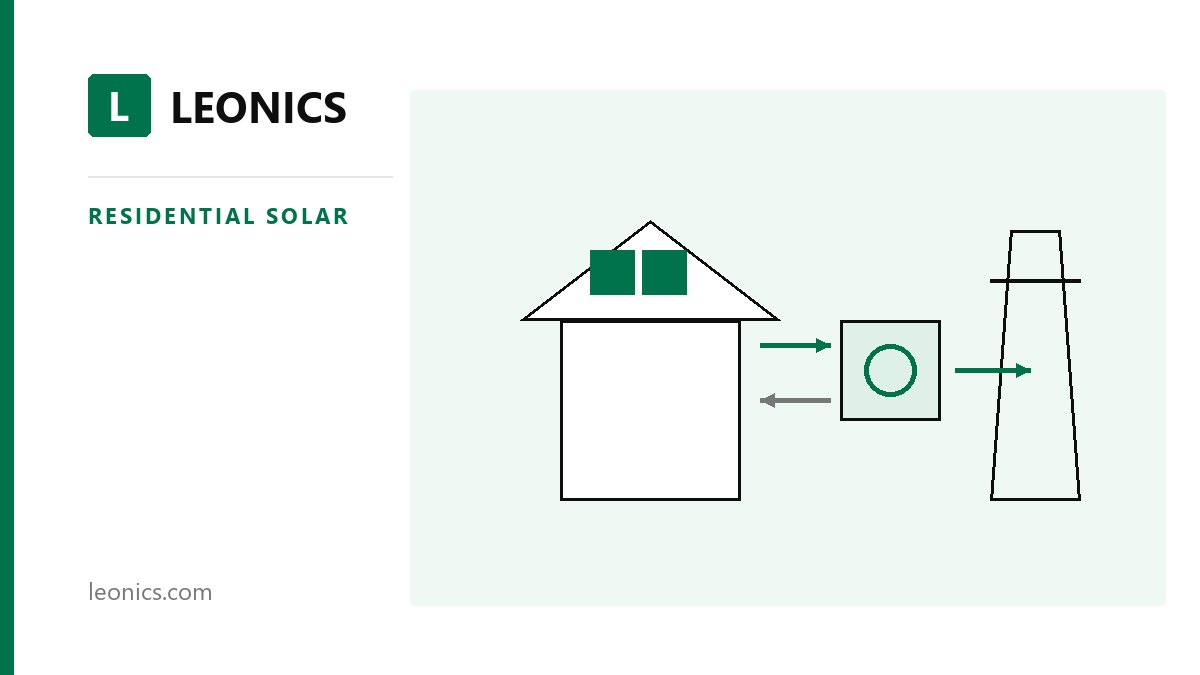
- Net billing (the current model) values your self-consumed power at the retail tariff you avoid paying (roughly 4–5 THB/unit), while exported surplus is bought back at the lower 2.20 THB/unit.
Is it worth it?
For a home that uses a fair amount of daytime power — someone home during the day, air-conditioning, working from home — rooftop solar is worthwhile primarily through self-consumption savings, with the 2.20 THB buy-back as a bonus for genuine surplus.
- The more of your generation you use on-site, the faster the payback
- Oversizing purely to export is not efficient, because export earns only 2.20 THB/unit
- Payback for a well-sized home system is typically in the mid-single-digit years, while panels are warranted for around 25 years
The tax deduction (2025–2028)
Alongside the buy-back, a personal income-tax deduction applies to on-grid residential rooftop systems up to 10 kWp, for installations in the 2025–2028 window. This lowers the effective cost of a system and shortens payback further. As with any tax measure, confirm the current conditions and required documents before you file.
How to apply — the essentials
- Design for self-consumption — size the system to your daytime load; most homes land at 3–10 kWp
- Use a standards-compliant installer — grid-connected solar requires a proper anti-islanding inverter and a safe roof mount
- Apply to MEA or PEA — the buy-back round is first-come, first-served, capped at 5 kW per meter; the utility handles the interconnection and the buy-back meter
- Keep documents for the tax deduction — invoices and system details for your filing
Do you need a battery?
For most homes on this scheme, no. A grid-tied system without a battery captures the self-consumption savings and the buy-back at the lowest cost. A battery becomes worthwhile mainly if you want backup during outages or to store daytime solar for evening use — it adds cost and lengthens payback, so add it only when you genuinely need it.
Frequently asked questions
How much is the buy-back rate?
Under the 2026 round, surplus is bought back at 2.20 THB per unit for 10 years, with systems capped at 5 kW per meter.Is exporting more the way to earn more?
No. Because self-consumed power avoids the higher retail tariff (~4–5 THB/unit) while exports earn 2.20 THB/unit, the better strategy is to use as much of your solar as possible on-site.Can I still get the tax deduction?
A personal income-tax deduction applies to on-grid residential systems up to 10 kWp for installations in 2025–2028. Confirm the current conditions and documents when you file.What size should I install?
Size to your daytime consumption rather than "bigger is better." Most homes are well served by 3–10 kWp; a review of your past bills and daytime usage gives the right number.Getting started
Estimate the right size and payback for your home before you commit, then apply early while the round has quota. LEONICS' residential arm, Microgrid Technology (MGT), installs grid-tied rooftop solar designed for self-consumption.
Installation in Thailand: the LEONICS group's EPC contractor Microgrid Technology Co., Ltd. designs and installs solar rooftop, solar farm and solar + BESS systems — telephone +66 2-746-9500, mobile 080-042-4469, LINE microgrid-tech.
Try Solar Insight to size your home system, or read the Home Solar Rooftop solution.