The barrier is rarely the solar — it's the cheque
Most factory owners already accept that rooftop solar cuts electricity bills. What stops many projects is the up-front capital: a megawatt-scale rooftop system is a significant investment, and it competes with core-business spending. There is also the worry of owning and maintaining an unfamiliar asset for 25 years.
A Solar PPA / BOO model removes both barriers.
What is a Solar PPA / BOO?
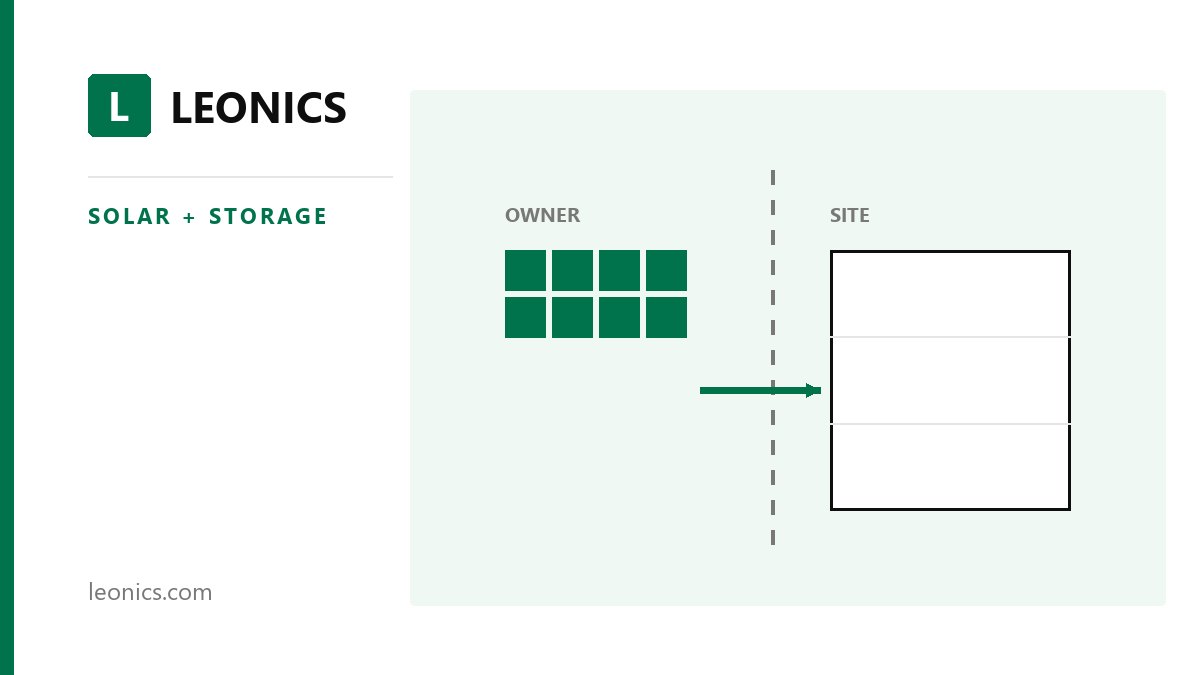
BOO (Build–Own–Operate) with a Solar PPA (Power Purchase Agreement) is a model where a developer:
- Builds the solar system on your roof at its own cost
- Owns the equipment
- Operates and maintains it for the life of the contract
How it works, step by step
- The developer assesses your roof and load, then designs and funds the system
- The system is installed and commissioned at no cost to you
- You consume the solar power first (self-consumption), paying the agreed PPA rate
- The developer handles monitoring, cleaning, repairs, and performance for the whole term
- At the end of the contract, ownership typically transfers to you, or you renew
Solar PPA / BOO vs buying outright
| Solar PPA / BOO | Buy outright (CapEx) | |
|---|---|---|
| Up-front cost | None | Full system cost |
| Who owns it | Developer (until transfer) | You, from day one |
| O&M responsibility | Developer | You (or a service contract) |
| Savings from year 1 | Yes (smaller per-unit) | Yes (larger, after payback) |
| Long-run value | Lower (developer margin) | Higher (all savings are yours) |
| Balance-sheet impact | Off-balance-sheet (operating) | Capital asset |
When a Solar PPA / BOO makes sense
- You have no capital budget for solar, or prefer to keep capital in the core business
- You want savings without risk — the developer carries performance and O&M risk
- You value predictability — a fixed, below-grid rate with no maintenance surprises
- You are unsure about staying at the site long enough to reach a CapEx payback
What to check in a Solar PPA
- Contract length — typically 10–20 years; longer terms lower the rate but reduce flexibility
- Tariff and escalation — the starting rate and any annual increase; it should stay below the grid
- Performance guarantee — the developer should guarantee output and uptime
- Buyout option — the price to purchase the system early, if you want to own it
- End-of-term transfer — what happens to the system when the contract ends
- Carbon-credit ownership — clarify who owns any T-VER / carbon credits from the generation
Where LEONICS fits
LEONICS designs and delivers factory Solar Rooftop + BESS systems, with GridMind AI energy management and automated carbon reporting. Whether you buy outright or prefer a no-capital model, the right size and design still come from your real load — so the starting point is a feasibility study.
Frequently asked questions
Do I really pay nothing up front with a Solar PPA?
In a BOO / Solar PPA, the developer funds the system, so there is no up-front capital for you — you pay only for the electricity produced, at the agreed rate.Is a PPA cheaper than buying?
Per unit, PPA power is still below the grid, so you save immediately. Over the full life, buying outright usually yields greater total savings because there is no developer margin — the trade-off is the up-front cost and O&M responsibility.What happens at the end of the contract?
Ownership typically transfers to you, or the contract is renewed — confirm the specific terms and any buyout option in the agreement.Can I add a battery under a PPA?
Yes, BESS can be included, either within the PPA scope or as a separate arrangement — useful for peak shaving and backup.Getting started
The best model depends on your capital, cash flow, and whether you want to own the asset — but every option starts from the same feasibility analysis of your real load. LEONICS offers a free Solar Insight Pro assessment for factories.
Read the Industrial Factory solution or talk to the LEONICS engineering team.